
FAUXTOGRAPHER VS. PHOTOGRAPHER — PART I
A 360ism Network series on photography, technology, and professionalism, and what happens when looking professional becomes easier than becoming one.
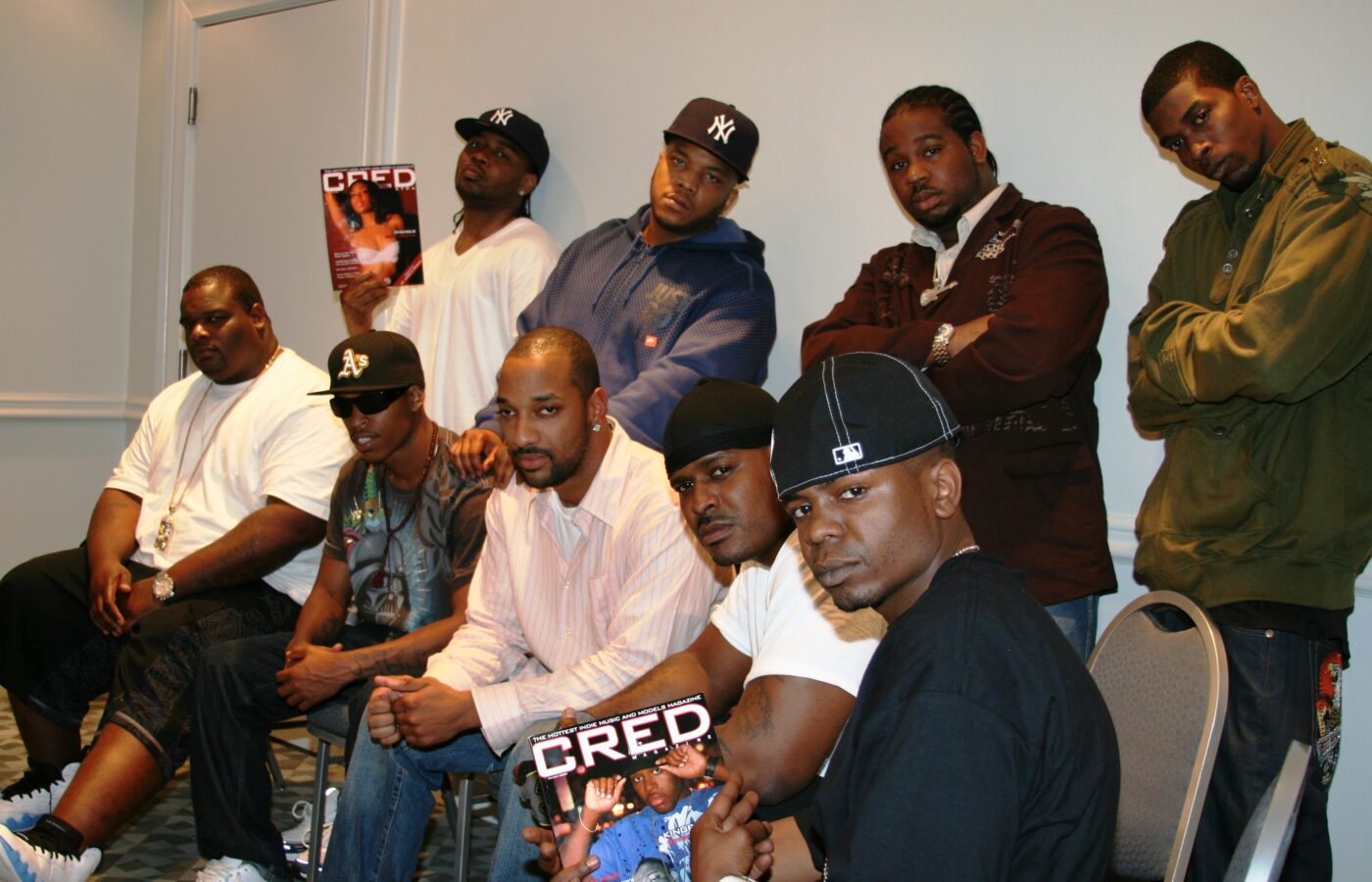
D-Block / The LOX with interviewer LD Williams and musician and producer Elijah LX Harvey, featured in CRED Magazine with the issue in hand. Photograph by Daring Leaderman, circa 2009.
Photography has become one of the easiest professions to claim and one of the hardest to sustain. A good camera, a year of tutorials, and an attractive Instagram page are enough to produce the title. They aren’t enough to produce the occupation.
The word professional has drifted into a compliment. People use it to mean talented, polished, or expensive-looking. In its useful sense it describes something else: work performed for a market, under real obligations, with enough consistency and structure to constitute an occupation.
Nothing here is an argument against talented photographers who have another career. Enthusiasts, emerging photographers, and part-time photographers all do legitimate work. The trouble starts when every category is collapsed into one title and the differences are treated as if they don’t exist.
Fauxtographer vs. Photographer
This article is Part I of a series about a change that has been under way inside photography for years.
Photography is more accessible than at any point in its history. Cameras are better. Automatic systems are smarter. Editing software corrects mistakes that once ruined a photograph. A preset produces a recognizable look in seconds. Social media gives anyone a storefront, an audience, and the ability to put the word photographer beside their name.
Most of that’s good.
The cost is that it has become harder to tell the difference between being able to produce photographs and understanding photography as a profession.
That’s where the fauxtographer enters the conversation.
A fauxtographer isn’t a beginner. Beginners are supposed to be learning. A fauxtographer isn’t a hobbyist either. Some hobbyists are skilled photographers with no interest in making photography their occupation.
The problem begins when the appearance of professional photography replaces the substance of professional practice.
Before that can be examined fairly, the word professional has to be defined. That’s where this series begins.
Where this position comes from
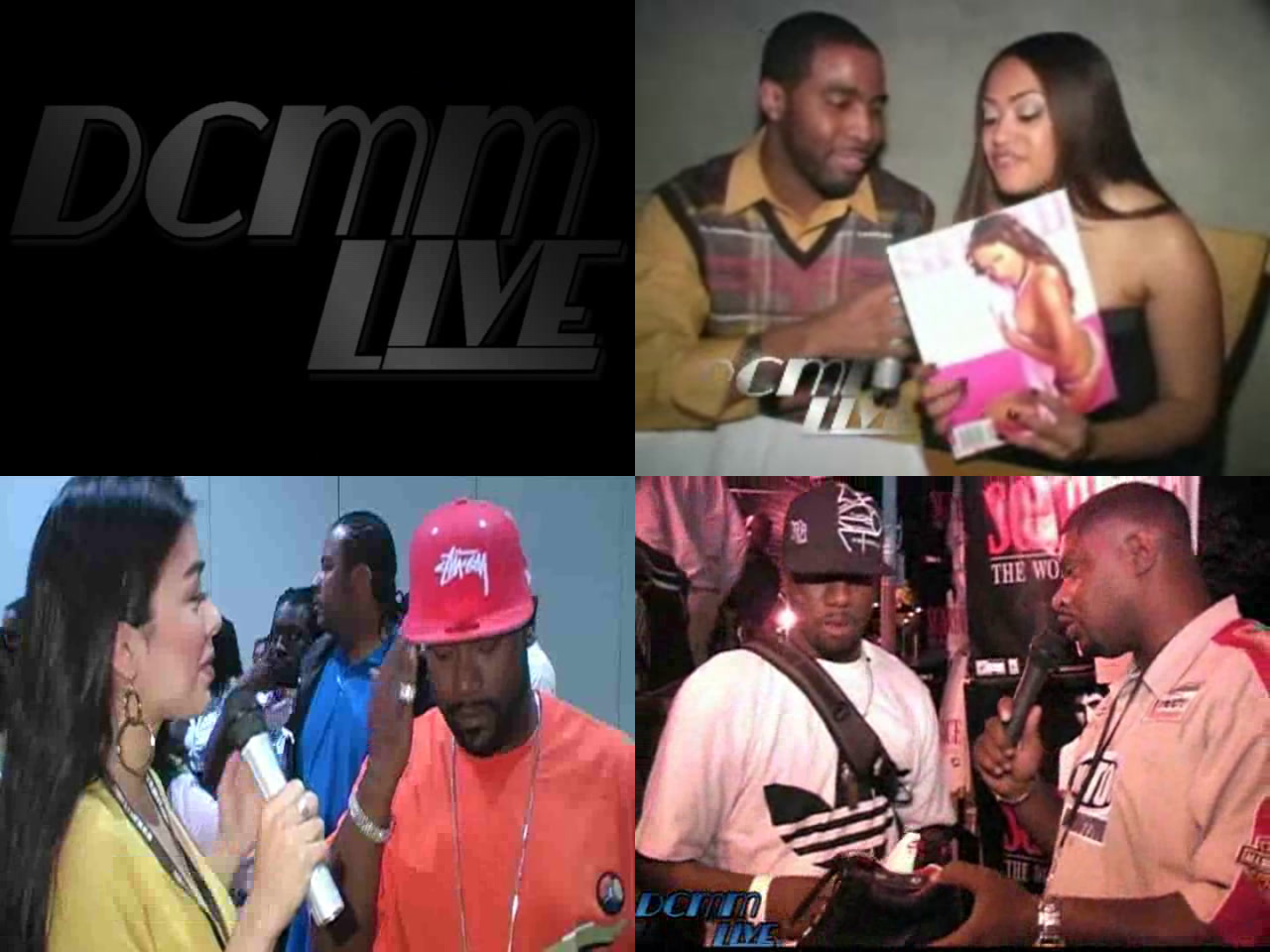
I didn’t set out to be a photographer. I started in video because I wanted to produce television shows. I bought a camera, gathered the content, and staged what I couldn’t find, all while working a full-time job. Nobody knew me for production. The work had to exist before the reputation could.
Photography came later, and I was forced into it. By then I had a magazine on the newsstand. People wanted to be featured, and I didn’t have a reliable team of photographers to produce what the pages needed. So I picked up a still camera.
The first lesson arrived immediately: if the pictures aren’t good, they don’t sell. The models I photographed already had some notoriety in entertainment. Their names drew attention. Their names didn’t move a poorly photographed magazine off the rack. My work wasn’t being graded by friends, followers, or other photographers. It was being graded at the register.

That was more than twenty years ago. Many people would have called me a professional then. I had a magazine on newsstands and a television show on the air. I also still had a job working for someone else. The work looked professional. It wasn’t yet my occupation.
I later studied media communications at Full Sail University. The credential opened a door, and what came through it settled the question. For more than a decade I was employed full time as a photographer and video production specialist inside federal agencies, the three-letter kind. I wasn’t a vendor called in for a few jobs. I was on staff, on payroll, with photographer as the occupation on paper. The salary was a modest six figures.
In those positions I didn’t photograph what I enjoyed. The organization defined the scenario, the shot list, the purpose, and the deliverables. My job was to produce what was required, at the required standard, under whatever conditions the day presented. That’s the vantage point for everything below, and it’s before counting the studios, the independent clients, or 360ism.
Three claims that get confused
“I’m a professional photographer” can mean three different things.
The work looks professional. This is a claim about quality. One excellent frame from a self-directed shoot proves the photographer can succeed under conditions the photographer chose.
Someone has paid for it. This is a claim about a transaction. A hundred dollars for a session proves one person bought one service. It’s a legitimate beginning. It doesn’t establish demand, sustainable pricing, or accountability.
Photography is the occupation. This is a claim about a career: a market served consistently, under obligation, month after month.
One strong photograph is evidence of talent. A profession is demonstrated through repeatable performance.
Some towns have never met a full-time photographer
In many communities, nearly everyone known as a professional photographer has an unrelated full-time job. One teaches. One works for the government. One is a nurse. They shoot portraits on evenings and weekends and describe photography as their business.
Some are good, and some operate responsibly enough to deserve the title part-time professional. But when that’s the only model a town sees, it becomes the definition. People assume all photographers have another job, that photography is naturally a side hustle, and that the money is extra.
It also distorts the economics. A photographer whose salary from another field covers housing, health insurance, and groceries can charge rates that would never sustain a business. That photographer can shoot only preferred subjects, decline dull work, and survive long gaps between commissions, because the photography isn’t required to support the household.
A career photographer has no such cushion. Pricing has to cover production, insurance, software, equipment replacement, taxes, marketing, facilities, administrative time, and the slow months. Clients have to be found again and again. Deliverables have to ship whether or not inspiration showed up.
None of this requires every dollar to come from the shutter. A full-time career can include video, retouching, licensing, education, studio rental, and consulting. The line is whether a person’s economic life is built inside the production industry or underwritten by something outside it.
The full-time professionals are often the least visible. They work for corporations, agencies, publications, and institutions, mostly on referral. They aren’t advertising discount sessions in neighborhood groups. A town can be full of people marketing themselves as photographers and rarely meet one whose livelihood depends on it.
The job isn’t the costume
There’s a sentiment that circulates among photographers with day jobs: the nine-to-five feels like cosplay, and photography is the real self. The ambition behind it may be sincere. The description is backwards.
Picture someone who works at a department store, a job with no connection to photography. The store pays the rent. The store pays for the camera. That’s the occupation. If anything in that picture is a costume, it’s the title.
This doesn’t diminish ability or ambition. It describes the situation accurately. If leaving the day job would make it impossible to live on photography, then photography isn’t yet the career. It may be a serious pursuit or a growing side business. Desire doesn’t create market demand, and identity doesn’t create an occupation.
Honesty about the present stage is what makes the missing pieces visible.
A professional produces for the client
The difference gets clearest when the assignment didn’t originate in the photographer’s imagination.
A client may need a specific aspect ratio, color treatment, resolution, background, file format, usage license, or delivery date. A commercial client may need horizontal and vertical versions for web, social advertising, print, and video thumbnails. An event client needs complete coverage of moments that can’t be repeated. A business needs consistency across a campaign, not one dramatic frame.
Professionals are allowed to specialize. A food photographer doesn’t owe anyone a wedding. Within the services claimed, though, the professional solves the client’s problem reliably, including on the days the assignment isn’t exciting. The work gets done because someone else is depending on it.
A garage doesn’t make an amateur, and a lease doesn’t make a professional
A photographer can work professionally from a garage, a home studio, client locations, or rented facilities. Many established commercial photographers rent the exact studio each production needs. Signing a lease confers no skill, no clients, and no business practice.
The facility does affect capacity. A small home setup handles headshots, product work, and controlled portraits. It may not offer the ceiling height, shooting distance, electrical capacity, privacy, or client amenities a larger campaign requires. Renting the right room when the job calls for it’s a professional decision. Pretending every room has the same capability is not.
Clients are also paying for what surrounds the shutter. Clear estimates, contracts, and payment terms. Insurance, permits, and location arrangements. Reliable cameras, lighting, audio, and backups. Assistants, makeup artists, and stylists when the job needs them. A color-managed workflow, secure file backup, and organized delivery. Knowledge of licensing, releases, and usage. Accountability for the deadline.
Clients rarely see this structure. They notice it when something goes wrong and the photographer delivers anyway. That’s also why an expensive camera confers nothing. Equipment becomes professionally meaningful when it supports consistent client results.
Michael Jordan and the streetball player
Imagine meeting Michael Jordan and telling him about the streetball player from your neighborhood. The local player may be astonishing. He may hit shots nobody else attempts, and on a given afternoon he may look like the more creative player.
That doesn’t put the two in the same professional category. Jordan’s standing didn’t come from one great move or from owning one gym. It came from selection, contracts, competition at the highest level, long seasons, public accountability, and repeatable results against other professionals.
Photography has no draft and no licensing body, so the line is harder to see. The principle holds. The photographer around the corner may make a wonderful fifty-dollar portrait, and you may prefer it to a frame from a major commercial photographer. That single comparison doesn’t erase the difference between making attractive photographs and sustaining a career through client work and repeatable delivery.
The career professional isn’t owed worship. The local photographer isn’t owed disrespect. Their occupational records are just not the same record.
More accurate titles
Enthusiast or hobbyist. Photographs for enjoyment or personal expression.
Advanced photographer. Has substantial technical or artistic ability, regardless of income.
Emerging photographer. Is actively building a portfolio, a market, and a business practice.
Paid freelance photographer. Accepts individual paid assignments without operating a full-time practice.
Part-time professional. Performs paid, accountable work consistently while another occupation remains the primary livelihood.
Full-time or career professional. Sustains an established occupation by serving clients and delivering consistently.
These aren’t rankings of worth, and they don’t predict whose pictures are better. They describe different relationships to the work. Emerging and part-time are stages, not confessions. Every established photographer once stood at an earlier one, and plenty of capable photographers stay part-time on purpose.

The test
The test takes five minutes. Assume the other paycheck stops today. Count the months that photography income, at current prices and current bookings, covers both the household and the business. If the number is under three, photography isn’t yet the occupation. It’s the goal.
What to do this week
Don’t rebuild the business this week. Pick the accurate title from the list above and put it on your own site and bio. Then write down the one thing standing between that title and the next one.
Beautiful photographs earn attention. A career is built through trust, responsibility, and repeatable delivery.
That distinction matters more now than it did twenty years ago.
The tools have become easier to acquire and better at covering gaps in technical knowledge. Social media makes it possible to build the appearance of a photography business before the business exists. A photographer can design a logo, buy a capable camera, rent an impressive location for an afternoon, apply a preset, post the strongest five frames from a session, and present the whole thing as evidence of professional practice.
Sometimes that person is an emerging photographer doing exactly what emerging photographers should do: learning, experimenting, building a portfolio, and finding a market.
Sometimes something else is happening. The appearance of professionalism becomes a substitute for the craft, the production knowledge, the business infrastructure, and the repeatability that professional work requires.
That’s the subject of the next installment.
Part II: The Fauxtographer. When looking like a photographer replaces learning the profession.
5 comments
Sign in or join free to leave a comment.