
FAUXTOGRAPHER VS. PHOTOGRAPHER — PART III
A 360ism Network series on photography, technology, and professionalism, and what happens when looking professional becomes easier than becoming one. Part I, Professional Is an Occupational Title, defined the word professional. Part II, The Fauxtographer, defined the gap. This installment is about where the gap closes.
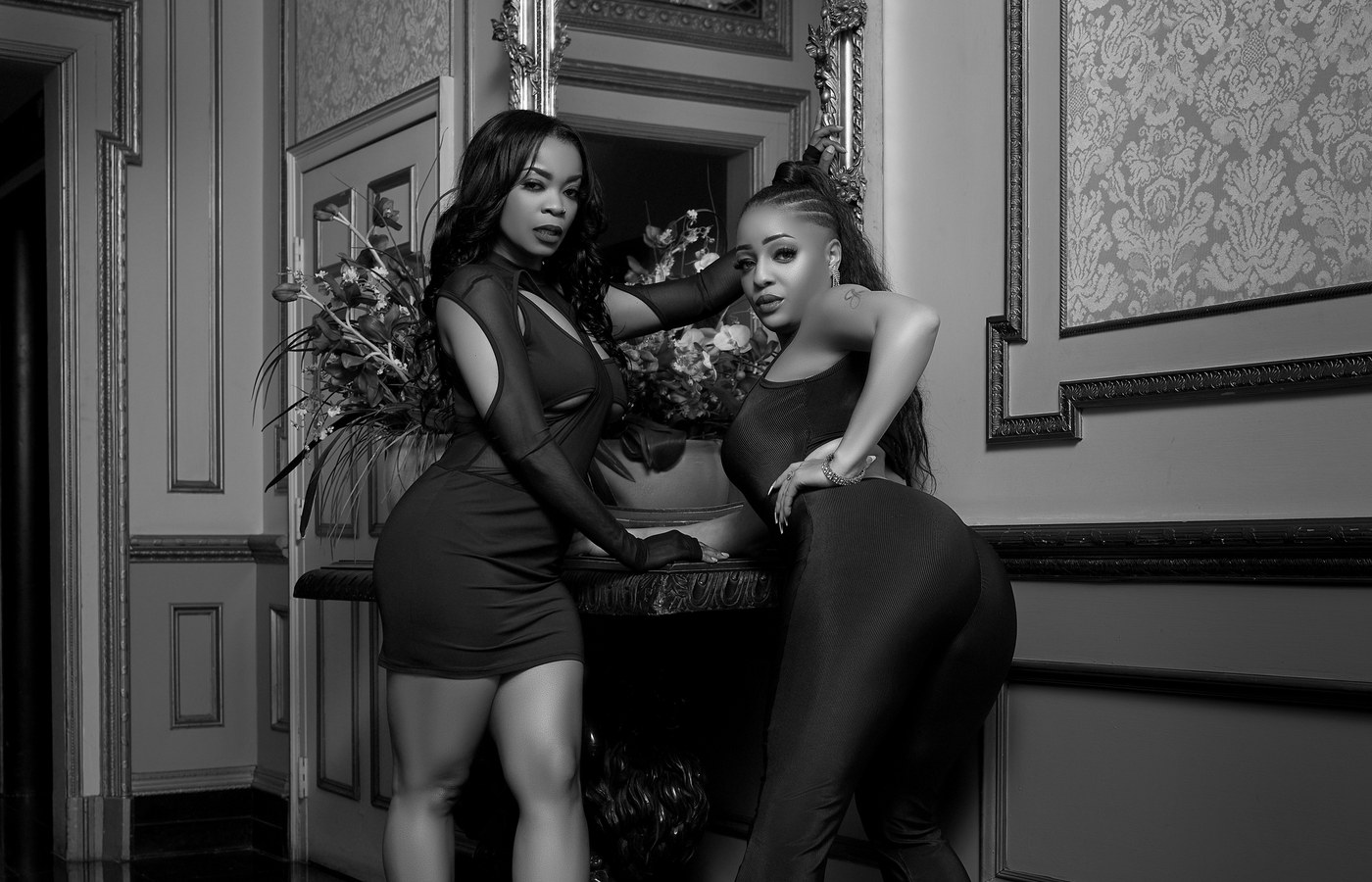
Jasmine Alysha and Taliah Muhammad. Photograph by Daring Leaderman.
A photograph is a set of problems solved in a particular order. The difference between a photographer and a fauxtographer is where in that order the solving happens.
The photographer solves in the room. The light is read, placed, and exposed for before the shutter is pressed, and the file that comes out of the camera is most of the finished picture. The fauxtographer solves later, in software, and the file that comes out of the camera is raw material for someone else’s repair.
That’s the whole of Part III. The rest is what it looks like in practice, and what to do about it.
The graphic designer photo editor
Here is a pattern I’ve watched for years, and it’s the most reliable tell I know.
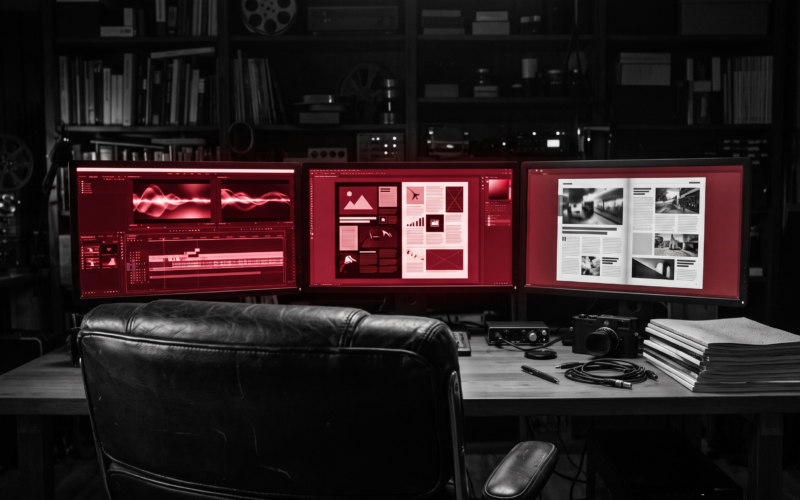
The fauxtographer always has a great editor, or is one. Missed focus disappears. A blown highlight comes back. Bad lighting is fixed. A color cast is corrected, a background is replaced, skin is rebuilt, a hand that fell wrong is moved. The mistakes on the sheet don’t survive to the feed, and the feed looks like the work of someone who doesn’t make mistakes.
There’s a name for that skill, and it’s a respectable one: graphic designer, photo editor, retoucher. It’s a profession in its own right, with its own craft and its own rates. Some of the people I’m describing are better at it than they’re at photography, and some are better at it than most photographers are. None of that’s the problem.
The problem is that it’s a different job, and the title on the bio says photographer.
A photographer who leans on the editor to make the photograph isn’t a photographer with a good workflow. That’s a graphic designer, with or without a camera, producing source material. The picture the client received was made at the desk, not in the room, and the person who made it wasn’t the person who was hired.
This is a Creative Member article. Join 360ism Network to unlock every premium lesson, download, real-numbers case study, and class recording — plans start at $12/month.
Become a member → · Already a member? Sign in
An open invitation
Every piece of evidence in this series is mine. That’s fair for a founder’s argument, and it isn’t enough to settle it, because the series has shown the photographer’s side and asserted the other. If a fourth installment is needed, it will be built from other people’s files.
So here is the offer. Take the test above and send the result: the raw frame and the finished file from a session you delivered, with a line on what changed between them and how long it took. Send them to info@360ism.com, or through the Write for 360ism Magazine page. Nothing gets published without permission, and nothing gets judged in public without consent. We will make the determination from there, and the title can be firmly placed.
1 comment
Sign in or join free to leave a comment.