
Four different transactions get called “a magazine feature.” Understanding which one you’re in front of is half the skill. The other half—the part almost nobody has—is knowing what to do with the feature after you get it.
A model gets offered a cover and immediately asks what it pays. A musician gets an interview request and wonders whether there’s an appearance fee. Somewhere else, a publication tells a model there’s a submission fee, which raises an entirely different question: why would I pay to be in a magazine? And then somebody points out that a major title paid a celebrity to show up for a shoot, and the whole thing looks incoherent.
It isn’t incoherent. It only looks that way because all four situations get described with the same three words: a magazine feature. They aren’t the same transaction. Publishing runs on several different business models, and what’s being exchanged between a publication and the person inside it changes depending on which one you’re standing in.
I’m going to lay those models out, because a talent who can tell them apart makes better decisions. But I want to say up front that sorting the transaction is the easier half of this. The harder problem, and the one I see constantly, is that most talent don’t know what to do with a feature once they have it. They get the cover, they post it, they collect the congratulations, and the asset dies on the vine. That’s the part of this article I care most about, and it’s where we’ll end up.
Being featured isn’t automatically a job
The first distinction to get straight is the difference between being hired and being featured.
If a magazine hires a model for a commercial production, an advertising campaign, a branded shoot, a catalog, a sponsored editorial, or any other assignment where the model is providing a professional service to the publication or its advertiser, compensation is appropriate. That’s work being commissioned. Somebody needed a job done and hired a professional to do it.
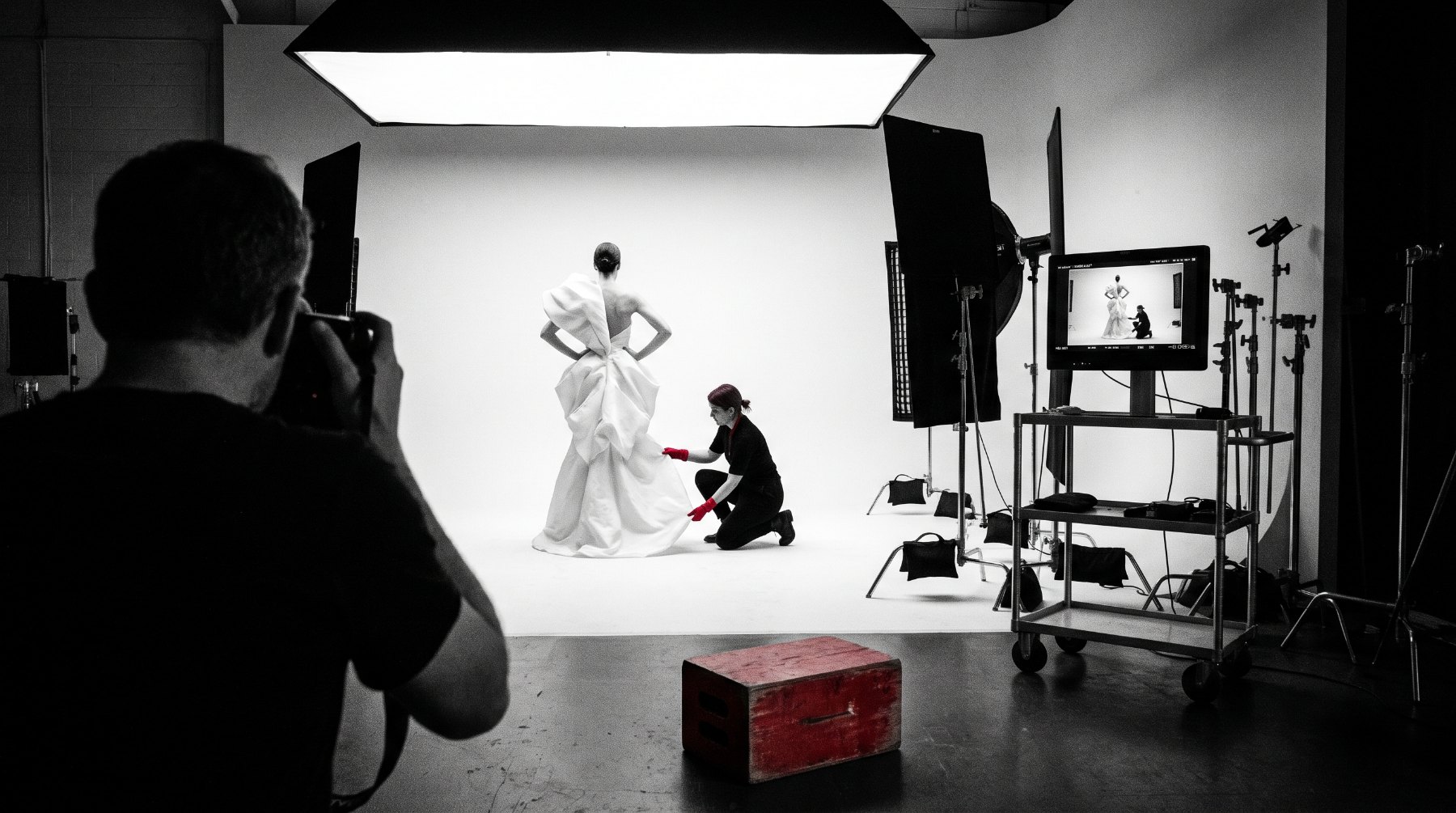
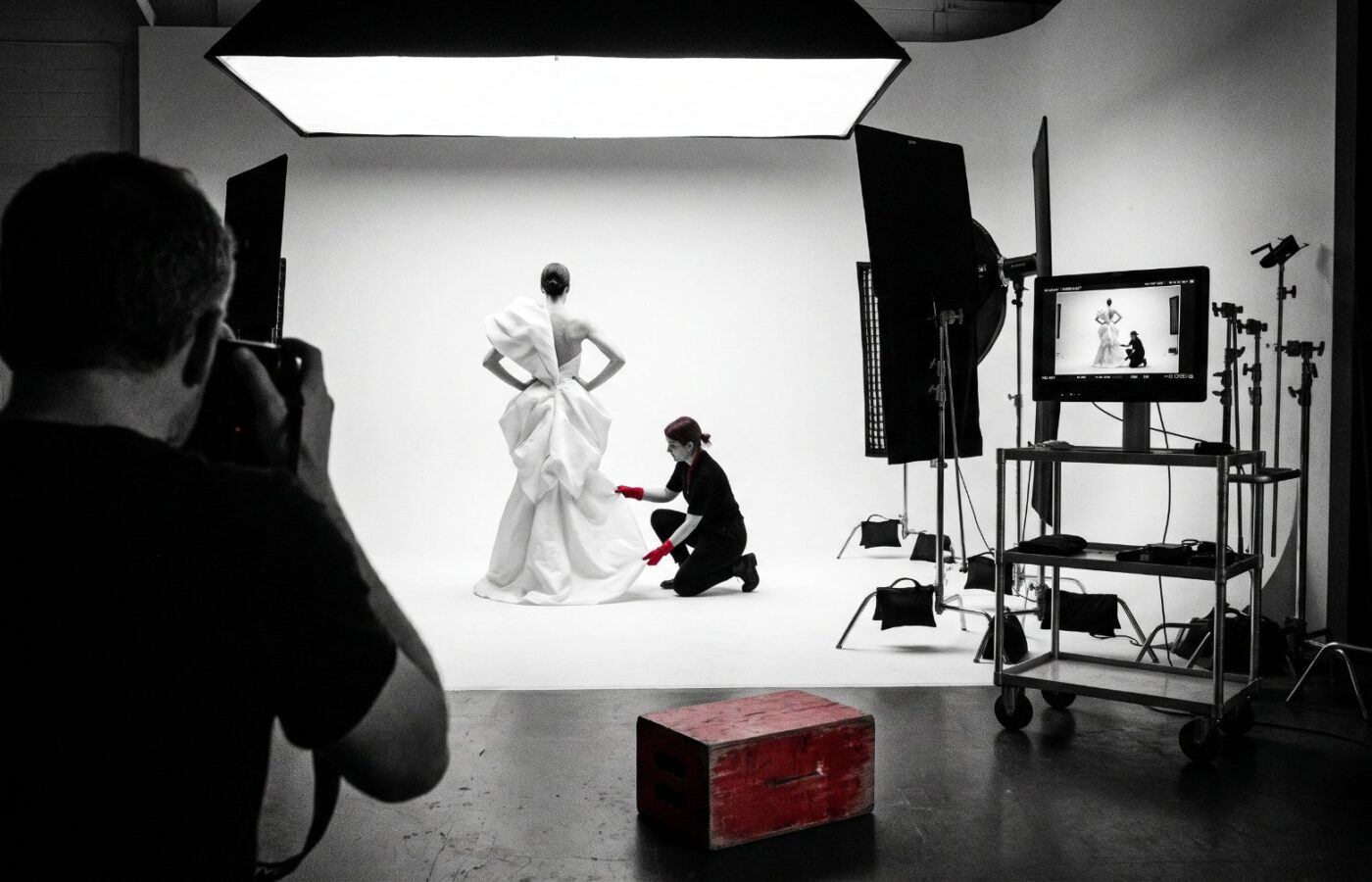
An editorial feature usually isn’t that. When a magazine interviews an artist, profiles an entrepreneur, photographs a musician, or puts a model on its cover, the publication is generally providing media exposure rather than purchasing a service. The exchange runs in both directions. The talent gets photographs, an interview, a written profile, print and digital presence, promotion, credibility, and association with whatever audience the publication has. The publication gets the story, the personality, the imagery, the access, or the cultural relevance that makes the issue worth reading.
Both sides receive something. That’s why unpaid editorial participation has existed in publishing for a century and isn’t going anywhere. The person appearing in the magazine generally isn’t working for the magazine. They’re appearing in it. That distinction is the foundation everything else sits on.
This is a Creative Member article. Join 360ism Network to unlock every premium lesson, download, real-numbers case study, and class recording — plans start at $12/month.
Become a member → · Already a member? Sign in


Sign in or join free to leave a comment.