

I spent four years making a television show about a scene, and five years making a magazine about it, before I understood I had been building the same thing twice.
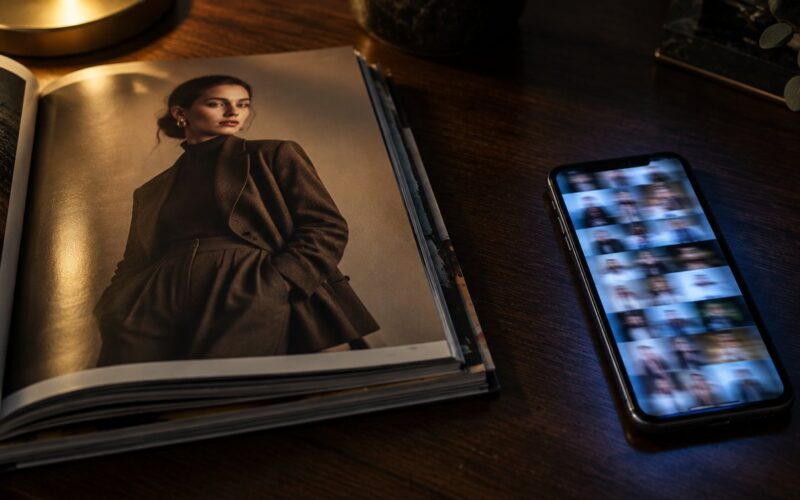
DC Music & Models started in 2003. CRED Magazine followed in 2009. Both were built on one instinct — find the people doing the work, document it properly, and put it in front of an audience that wouldn’t otherwise see it. Different formats. One job.
An open mic and an 8-millimeter camera
The education started at open mic nights at the Safari nightclub in Lanham, Maryland, around 2004. Local rappers and singers came through to perform. I stood there with a Sony Handycam — 8-millimeter, not professional, but it did the job — and recorded their sets. Then I met the performers, and I put the footage on DCMusicAndModels.com.
That sounds like nothing now. It wasn’t nothing then. Phones couldn’t shoot video worth watching, and there was no outlet in DC where a performer could see their own set online. I knew what the footage was for before I walked in the door. The site became a television show on Comcast, and the show became a name people knew across DC and Prince George’s County.
Then the calls changed direction. Record labels in New York started calling when their artists came through on radio tours, and I interviewed mainstream acts in their hotels before their shows. I met people on their way up, too. At Bowie State’s homecoming I stopped a young rapper named Wale, there with Jay Promo, and put him on the show — his first television appearance. He came back several times. So did Tabi Bonney. Angel Lola Luv sat for an exclusive interview. David Correy was on the show as a teenager.
What borrowed rooms actually cost
The first studio was a space I found in a Fort Washington high-rise. I invited Shalon Delgado — a model, actress, and songstress I had interviewed and photographed for the magazine and the show — to go in on it with me. We had it three or four months before the building sold. Long enough for a first taste of ownership. Not long enough to build anything.
After that I rented time at IMEG Studio in Bowie. The first CRED Magazine shoot happened there — ten hours. And that’s where I learned the expensive lesson, which wasn’t about the room at all. I was hiring photographers to shoot the models, and some didn’t show. The ones who did show owned the copyright on everything they shot, which I didn’t know, so I paid for shoots and never received all of the pictures. It happened twice, then a third time. I promised myself there wouldn’t be a fourth. In 2008, planning the launch of CRED, I bought a silver Canon Rebel and started shooting the work myself.
That decision is the reason 360ism exists. The person doing the work has to own the work. I teach that now. I learned it as an invoice.
The desk that was a floor
The closest thing I had to a studio after that wasn’t a studio. Around 2012 I took a coworking desk at National Harbor for seven hundred dollars a month. The desk sat in an area overlooking the water, with a walkout balcony that wrapped the building. Nobody else bought a desk up there. So in the evenings and on weekends, seven hundred dollars bought me a private floor with a view, and I shot there constantly — until the math stopped working and the desk went back.
That’s what building without a room looks like. You get resourceful, and you get tired, and nothing you set up on Tuesday is still there on Thursday.
For the next stretch of years I didn’t have a studio at all. Contract work carried me overseas, and I treated the whole period as training. I kept shooting. I learned the publishing side of the business properly. I finished Full Sail University’s media communications program online. The company I wanted to rebuild was taking shape the entire time. It just didn’t have an address.
Why Richmond
I’m from the DC area — Oxon Hill. The studio should have gone home, and it didn’t, for reasons that stopped being complicated once I said them out loud. DC traffic kept killing shoots. The Harbor cost too much. Every time I asked someone to meet me in DC, I got a story. When I asked the same people to meet me in Richmond, I got a yes.
So I scouted Richmond. Colleges, a music scene, a train station a block from downtown, an airport twelve minutes out. Talent I wanted to keep working with — Jasmine Alysha among them — within driving distance in Virginia Beach and Norfolk. For more than a year I drove down and shot in parks and hotels, an hour and a half each way, before I signed anything. The demand was proven before the rent existed.
The first thing built in the studio was the studio
Right around COVID I took a room on the fifth floor of the Expansive building in downtown Richmond. Twelve feet by fourteen, two big windows, twelve hundred dollars a month. I pulled the carpet and painted the floors white. I made a cyclorama wall out of thin cardboard. There was no floor space for light stands, so I built a grid into the drop ceiling and hung the lights overhead. Every idea in the current 360ism Studios got tested in that room first.
It rented on Peerspace from the day it opened, at thirty-five dollars, and it came close to paying for itself. College students and photographers kept booking it. The building’s rooftop sat on Richmond’s skyline, and music videos and full productions happened up there.
A year in, I moved to twelve hundred square feet on the third floor and stayed close to four years. That’s where the studio got built for real — and the renters built it with me. I watched how other people worked in the space, and I changed the space based on what I saw. Fourteen months ago I moved across the street, to the Capitol Place building. Third version. Same block.
Why it didn’t stay a photography studio
The magazine was never a side idea that came back. It was a pillar from the start. The rentals paid for the room so the camera time could go to content — the material a magazine gets built from.
Podcasting and video production arrived with the third-floor space, because for the first time there was room for them, and because I already carried those skills from the contract years. Bringing them into my own studio wasn’t diversification. It was bringing my own trades home.
The first podcast room didn’t survive. It was technically right — treated, lit, wired — and it was too small. Two guests filled it. I moved podcast production into the main studio and kept the lesson: a set that works is a set that fits the show it hosts.
Teaching came last, and I didn’t go looking for it. About two years ago the Richmond Photography Group asked if I would run classes. Six months of feedback made it obvious this was a lane — different subjects, different skill levels, and it kept landing. That’s why the 360ism Learning Center at learn.360ism.com exists.
Every addition followed the same rule. It was already happening around the room. I just stopped referring it out.
The part that isn’t finished
360ism is my full-time job, and the room has to pay for itself. That isn’t solved. It costs real money every month, and I don’t have a hometown advantage here — I know the people who walk through the door, and not many beyond them. For years the marketing was word of mouth and a Peerspace listing, and the work survived on being good.
That’s what is being worked out now: campaigns, rebuilt websites, a front door for 360ism and every pillar behind it that looks like the value it carries. This network is part of that answer. So is the magazine.
The loop closes
The magazine coming now isn’t an accident, and it isn’t nostalgia for CRED. The format changed. The subject changed. The job is identical — find the people doing the work, document the decisions and not only the results, and put it in front of an audience that wouldn’t otherwise see it.
I’ve been doing that job since 2003. The room is what finally lets it be done properly.
Sign in or join free to leave a comment.